
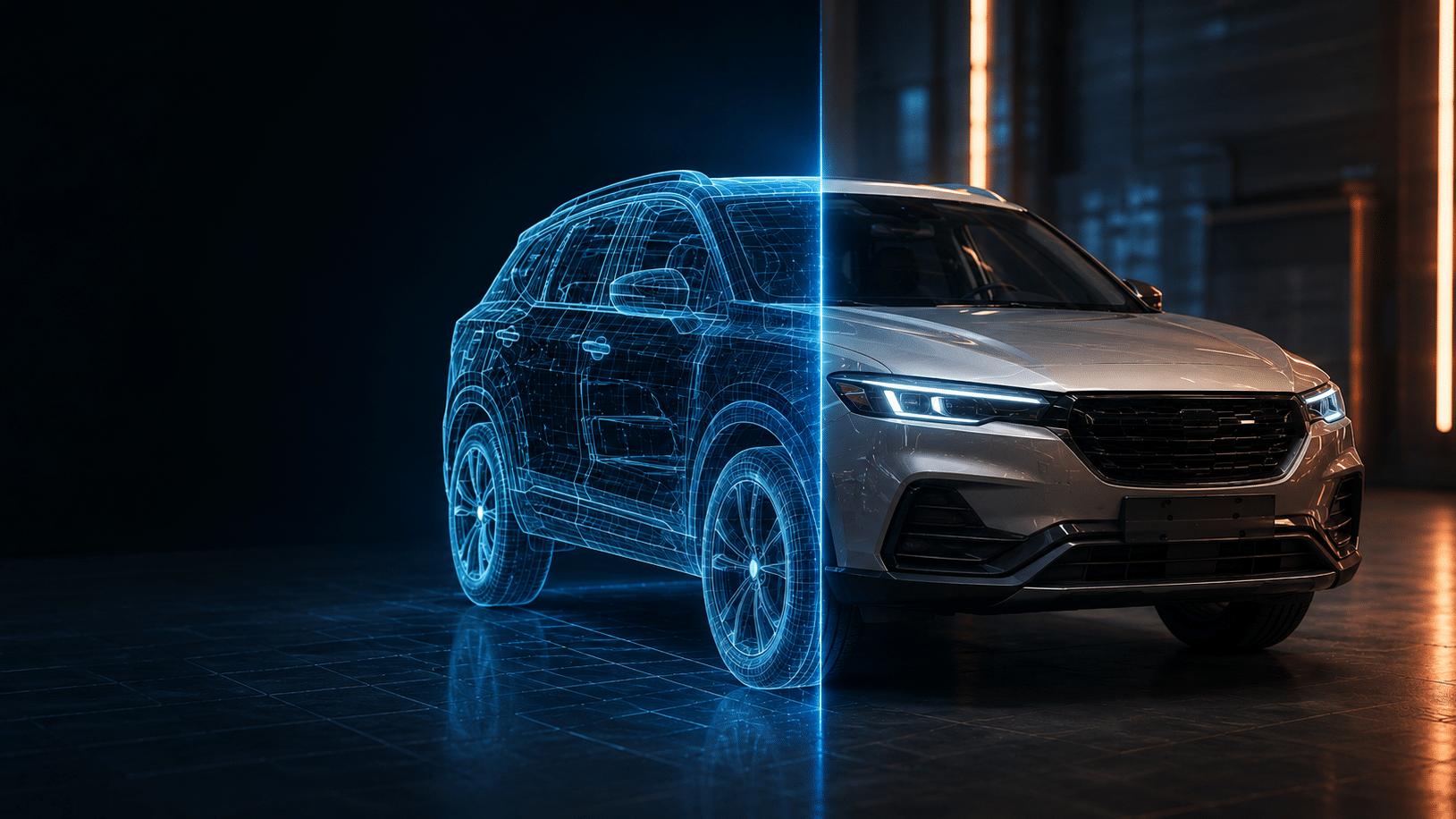
Part 1 of Our Digital Twin Series
Our team recently returned from the Adobe Summit, and one term seemed to be repeated everywhere they went, Digital Twins. While the phrase has quickly become a buzzword across marketing and technology conversations, the concept itself is much larger and more impactful than most people realize.
The concept of Digital Twins originated in manufacturing and aerospace, where connected digital models were used to simulate and optimize physical systems both before and after deployment. The term itself is widely attributed to Michael Grieves in the early 2000s, building on ideas that had already been used by organizations like NASA during the Apollo era.
Today, Digital Twins have evolved far beyond just engineering. In manufacturing, they’re used to simulate production lines and monitor equipment performance in real-time. In the automotive and aerospace industries, they support testing and predictive maintenance before physical issues occur. In retail and ecommerce, Digital Twins now power real-time configurators, interactive product experiences, and scalable content generation across digital platforms.
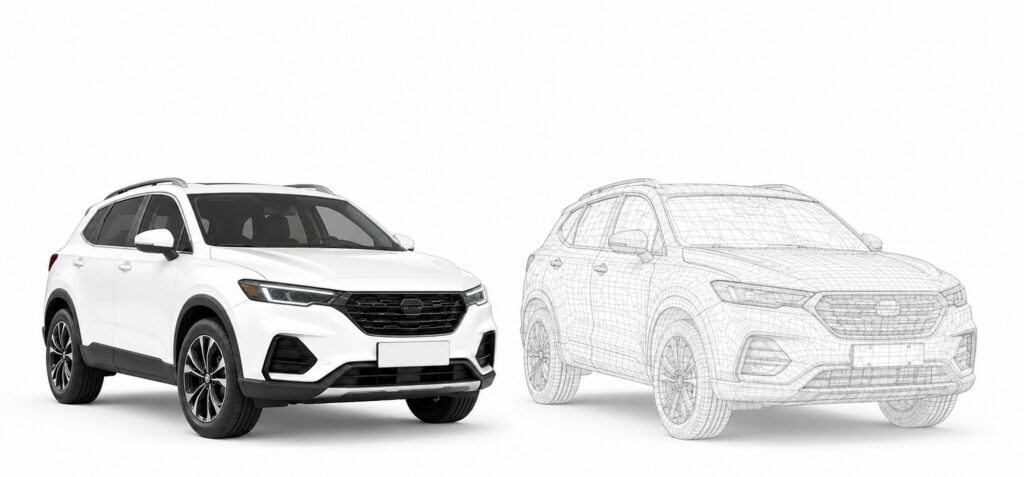

As AI continues to evolve, and the need for personalization and immersive commerce continues to grow, Digital Twins are becoming foundational to the future of product experiences. This is just the beginning of the conversation. In the next part of this series, we’ll explore how Digital Twins are reshaping modern product launches and scalable content production.
Curious?
Interested in building smarter digital product experiences? Connect with our team and explore what’s possible with Digital Twins.